Priority Pile-Up: How to Manage Competing Priorities

I’ll never forget the first job I turned down. It was the summer of 2004, and it was for a lifeguard position at a local beach—a summer dream job for a high school student who had been working at Tim Hortons. I was so excited when they called me and offered me the position. But the thing about summer jobs is that you kind of have to work the whole summer. Taking a two-week vacation in the middle of the summer usually doesn’t fly, as I learned.

So I had a choice. I could accept the offer for my first lifeguard job, for which I worked hours to achieve the proper certificates, or go on a trip across Western Canada with my dad. My father had been planning this vacation for months—probably years, if I’m being honest—but he still gave me the option to cancel the trip and take the job.
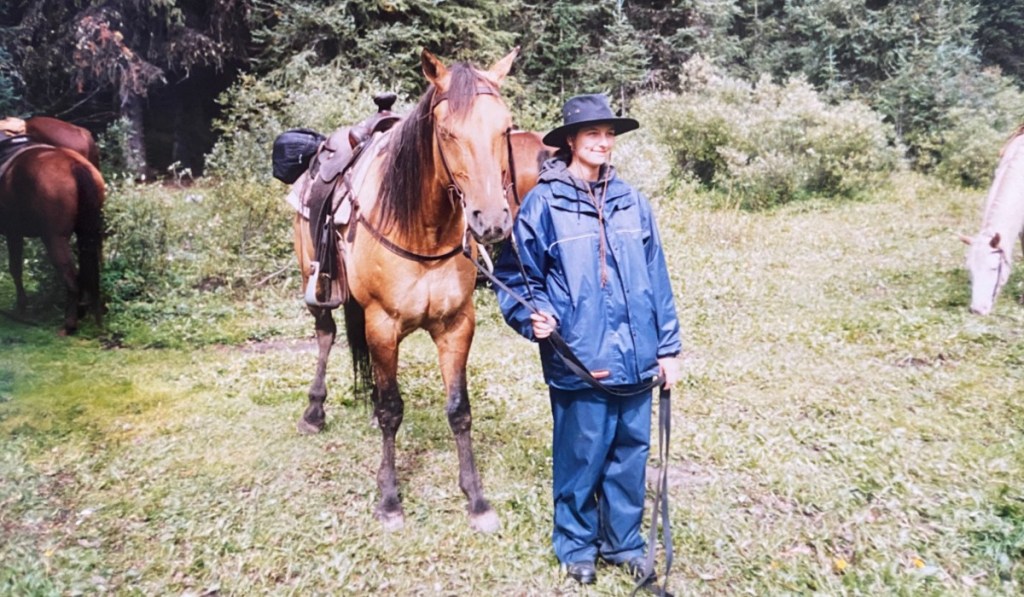
Horseback ride to find Grizzly bears.

In the end, I decided to turn down the job and go on the trip with my dad. There would be other jobs, and there were, but there may not have been another opportunity quite like this. We drove the Trans Canada Highway across the western provinces, camped in too many parks to name, a highlight being Jasper National Park (where I was petrified we were going to be attacked in the night by cougar—spoiler alert, we weren’t), went on a horseback ride where we tracked Grizzly bears, and stayed in the smallest campground made on earth in Tofino.
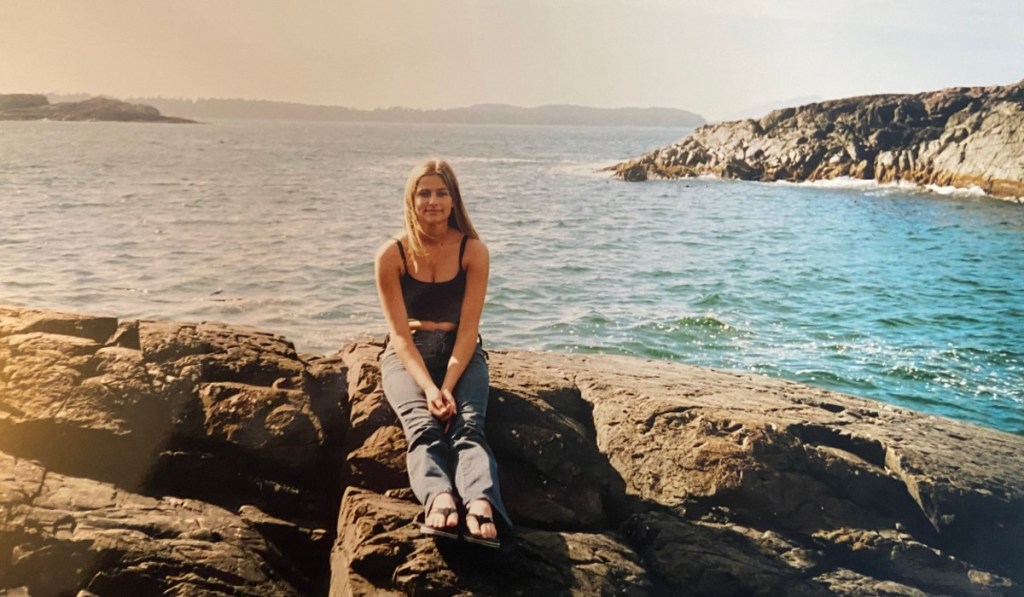
Water has always been my happy place.

It was definitely a trip to remember, and not one I regret. Working as a lifeguard at a beach would have also been a rewarding experience. But I had to make a choice, and at that time in my life, going on a trip with my dad was a priority for me.

Not all priorities in life mean saying no to other opportunities. There are lots of situations where you can, and many people do try to juggle multiple priorities. But eventually, at some point, whether it’s conflicting priorities (like in the case with my summer lifeguard job), too many priorities, or a change in belief or values, there will come a time when you have to accept that certain goals are no longer serving you.

As a writer, I often hear from my writing friends about how they struggle to balance their work priorities. From marketing, newsletters, website design, and social media, to deciding which contests and publishers to submit to, and even just deciding which story idea to work on next, it can be overwhelming to know where to start or if you are ever getting ahead. But I’m sure that’s not just a writer problem. In this fast-paced world, it seems impossible to keep “on the pulse.” I think everyone is struggling to decide what they can and want to fit into their 24-hour schedule.

Are you a fan of to-do lists? I am, but sometimes they stress me out more than they help keep me organized.

Think of your to-do list as a garden. Over time, weeds grow, old plants die back, and things that once seemed important now take up valuable space. The same is true for your to-do tasks. That item that’s been lingering for months, gathering digital dust? It’s likely contributing to your overwhelm and stress.

Here are a few tips that I try when I feel like I have conflicting priorities, or am overwhelmed with the number of projects on my to-do list:

Ruthlessly Rewrite Your To-do List!

  • Remove anything that has been on your to-do for months or that is no longer important. Be honest with yourself and don’t be afraid to erase it. Liberating that mental space is incredibly freeing.
  • If the item has been on there for months, but you feel it’s still important. Evaluate why you haven’t completed it. Is it too big of a step? Consider breaking it into a smaller component. Instead of “revamp my website,” maybe start with, “update the Home Page on my website.”

Re-evaluate Your Priorities
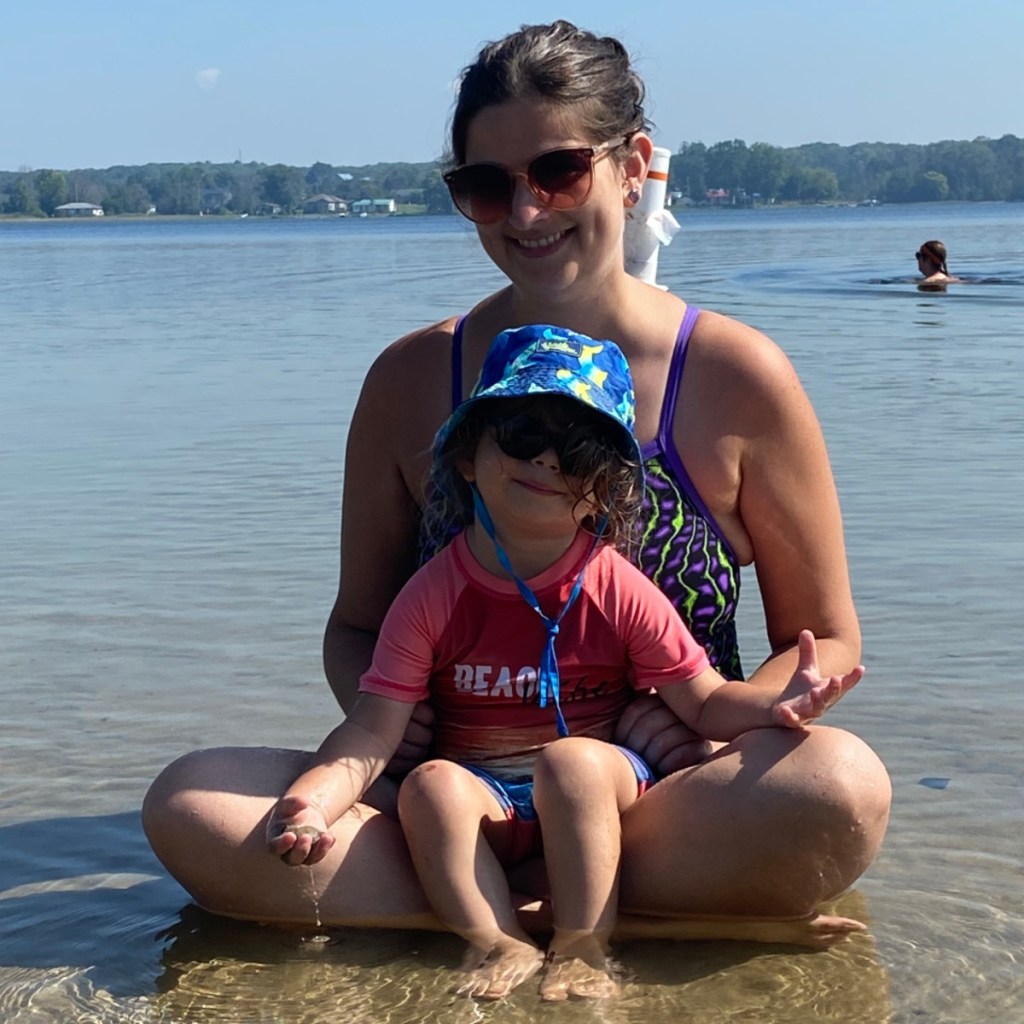
In the summer, my priority is usually beach-time 🙂

With a cleaner, more manageable to-do list, another crucial step is to ensure you are working on the right things. Conflicting priorities often arise when you haven’t clearly defined what truly matters most right now.

  • Take a moment to step back and ask yourself:
    • What are my overarching goals? What am I trying to achieve in the short, medium, and long term?
    • Which of these tasks directly contributes to those goals? Not all tasks are created equal. Some will have a far greater impact than others.
    • What are the most urgent items? Are there any deadlines looming or time-sensitive tasks that need immediate attention?
    • What will give me the biggest win right now? Sometimes, tackling a smaller task that yields a quick positive result can boost morale and motivation to tackle bigger things later.
    • Don’t just blindly work through your list. Be intentional about where you invest your time and energy.

Tackling 3 Tasks a Day
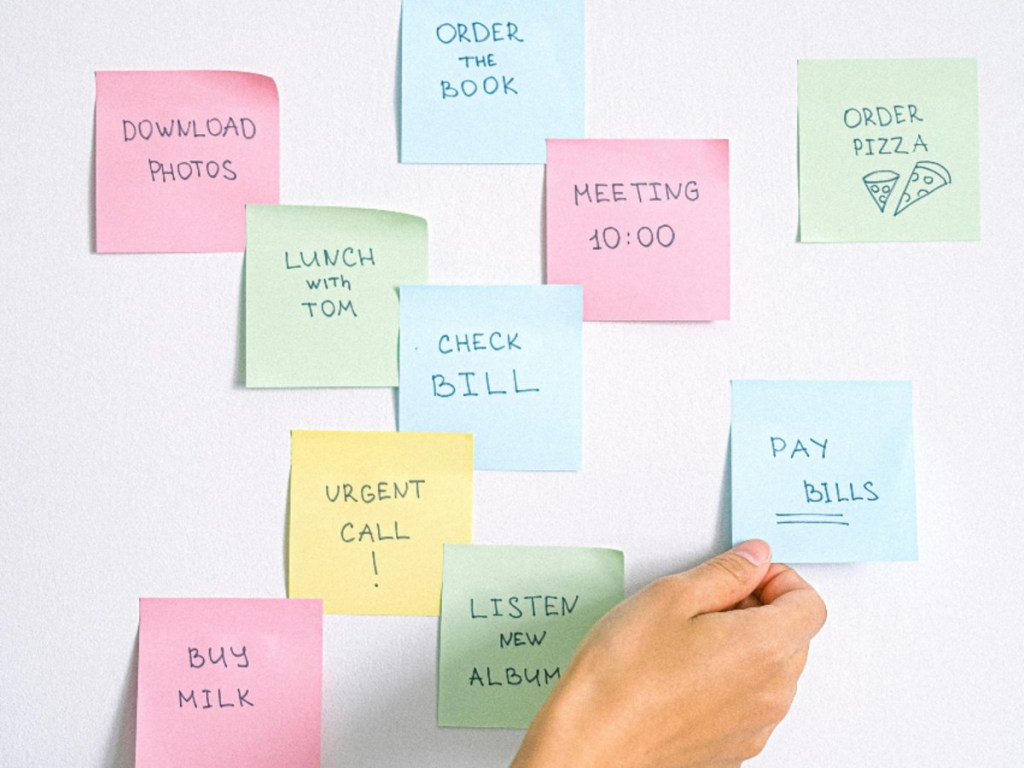
  • The “Daily Big Three” concept has really helped me power through my to-do lists without making them feel overwhelming.
  • Each day, make sure to pick 1-2 shorter tasks (think simple like sending an e-mail or making an important phone call) and one bigger task to even out the workload!

80-20 Rule for Freelancers
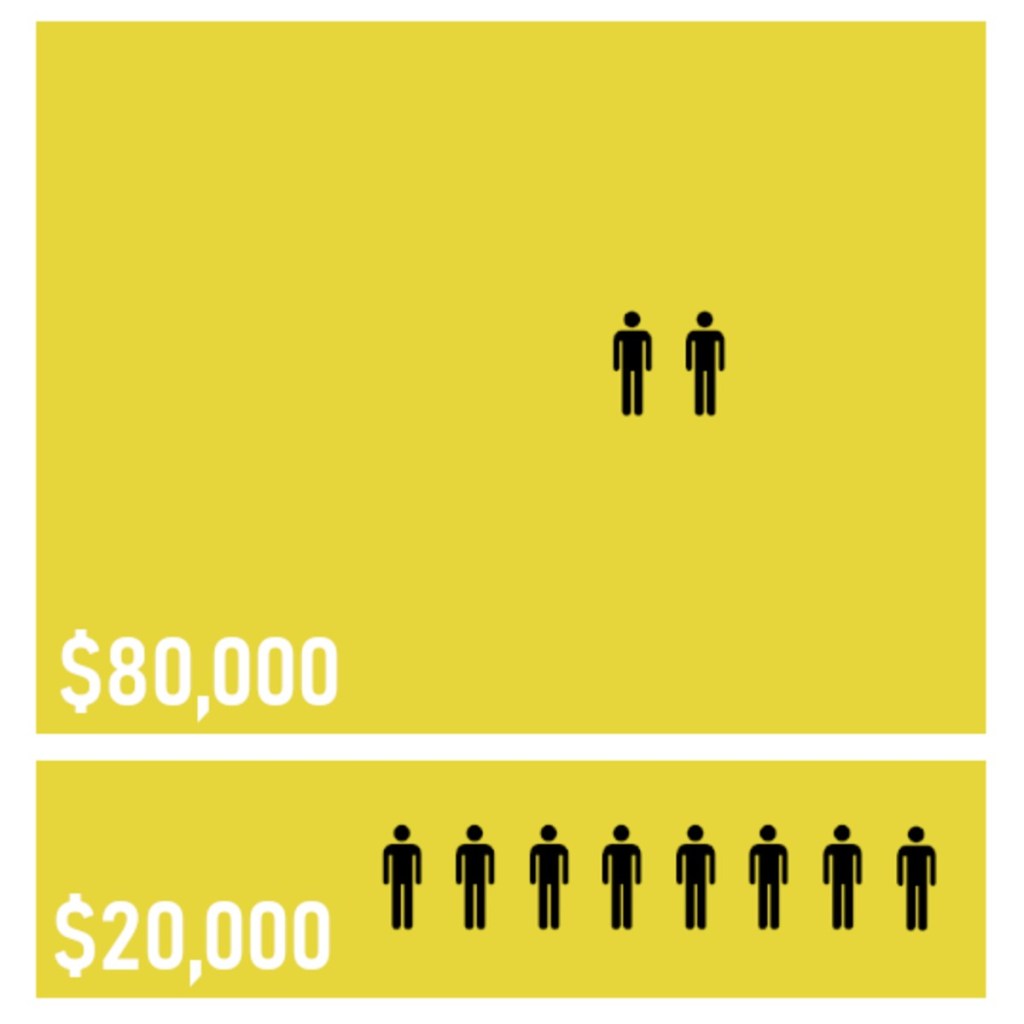
Image credit: Lord Belbury, CC BY-SA 4.0 https://creativecommons.org/licenses/by-sa/4.0, via Wikimedia Commons
  • As a freelancer, priorities are a constant struggle. However, as a general rule of thumb, 80% of your income is usually generated through 20% of your customers (but this philosophy, also called the Pareto principle, doesn’t just apply to freelancing). This means you have tons of customers (or projects) that barely bring in any revenue.
  • So, as a freelancer, once you find your niche, it’s important to start focusing your efforts and prioritize the areas that are really paying off. But don’t completely give up your other projects, especially if they are passions for you!

Going With Your Gut
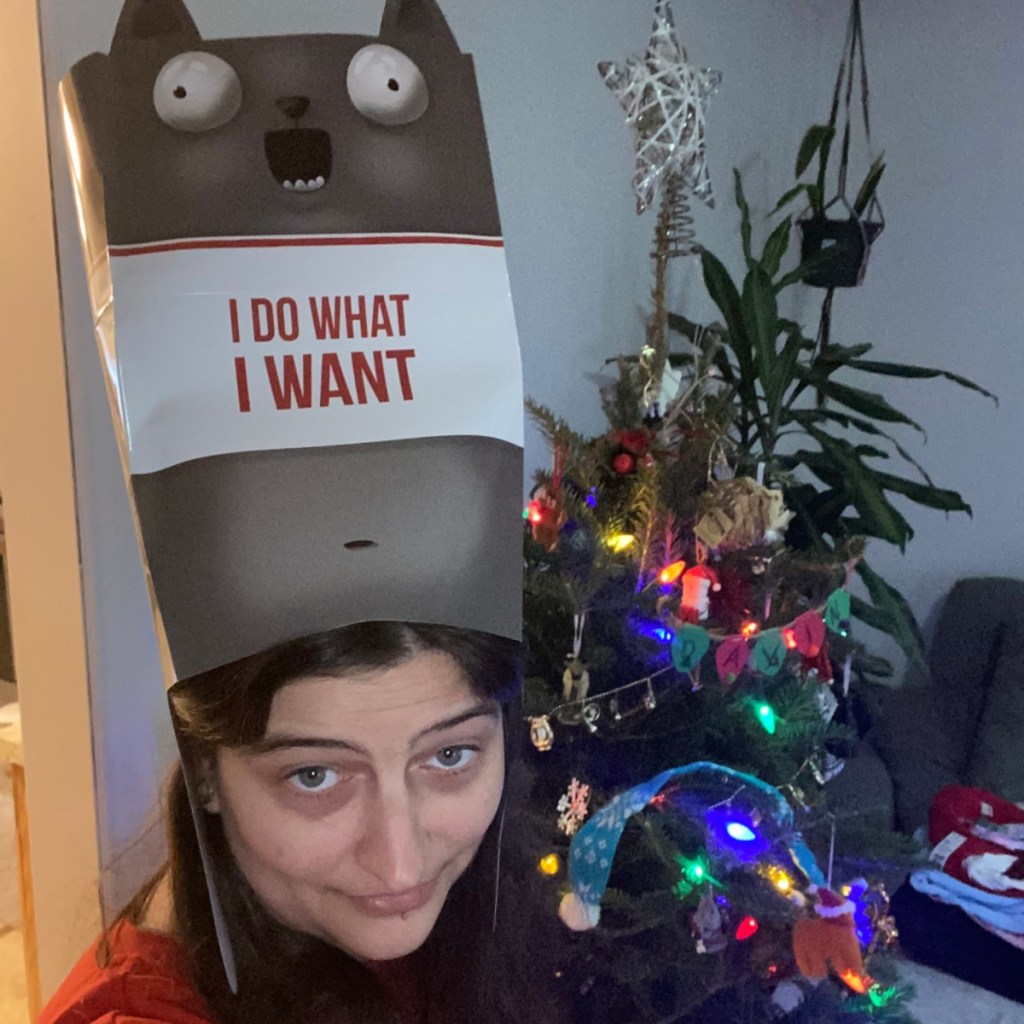
Credit goes to my brother-in-law for this hat, which comes with one of the Exploding Kittens expansion packs.

Sometimes, I just go with my gut and do what I feel like working on in that moment, and that’s okay, too (unless you have looming deadlines, of course). Guaranteed if you want to do the task, and enjoy doing it, you are going to be more successful.

Like right now, I am supposed to be working on my novel, but randomly, I decided to write this blog post, which I’ve been putting off for way too long. And as a writer or creative, or just someone who wants to feel satisfaction from the task they are completing, sometimes going with the flow is the best way to go.

Take Back Your Time and Sanity

Feeling overwhelmed by conflicting priorities and endless to-do lists is a common struggle, but it doesn’t have to be your default state. By implementing these strategies, decluttering your list, breaking down large tasks, re-evaluating your priorities, and embracing the power of the “Daily Big Three,” and the 80-20 rule, you can begin to conquer the chaos, regain control of your time, and move forward with a greater sense of clarity and accomplishment.

Start small, be consistent, and you’ll be amazed at the difference these simple shifts can make in your productivity and overall well-being. You’ve got this!

Now, I’d love to hear from you! How do you decide which project to tackle next?

The Benefits of Writing Groups and Conferences

Four years ago, I made the decision to join a writing group. I was going through a rough time in my life, and books were an escape. I spent countless hours reading, immersed in fantasy worlds. After a few hundred books, an idea popped into my head. I could do this. I could totally write a book. And so I started writing.

About halfway through the book, I realized I had no idea what I was doing. Some of the words on the page sounded pretty cool, but I knew nothing about character development, creating tension, plotting, or pacing. Whoops! Classic rookie mistakes. You can edit until the cows come home, have a grammatically-tight manuscript, and still have a story that falls flat.

So, I made the decision to take it a step further and learn from other writers. I didn’t think a lot about it. I googled local writers groups and three came up. I chose two and tried them out. I’m not going to lie, it was pretty scary, but they were welcoming and supportive. It was nice to finally find my people.

Have You Thought About Writing?

Image credit: Rikka Ameboshi via Pexels

Maybe you’ve thought about writing before but never considered taking it any further. There are some jobs we don’t encourage children to strive for. Writing is one of those things. It’s like we put authors up on pedestals with rock stars. Both being a writer and a musician seem like lofty goals that only others can achieve. But when you read an author’s beginning story, you realize that they started right where you are now—with a burning story that they need to tell the world.

A Note About Writing

Image credit: Lisa Fotios via Pexels

Writers write. I know it sounds obvious but it’s a statement worth thinking about. If you want to get started but don’t know how, put some pen to paper. Don’t overthink it. Write something down. It will get easier as you go, but not starting because you think you’re not good enough is quitting before you start.

If you’ve already started writing, you may be looking for some guidance and help. The publishing industry can be difficult to navigate and it’s constantly changing. I’ve learned so much from the writing groups I’m a part of.

Here are some benefits of writing groups and conferences!

Writing Groups

Benefits

  • Learn from other writers
  • Network with published authors
  • Get your work critiqued
  • Learn about open submissions, conferences, and upcoming events

How to Find a Writing Group

Image credit: Alberta Romance Writers’ Association

You might be surprised how many writing groups there are. Google local writing groups and check on Facebook to see if you can find any in your area. Another place to check is the library. Some writer groups run out of the local library or community centre. If there’s a writer group in the area, the librarian should know.

If there isn’t one local to you, you might be able to find a virtual one. With the pandemic, organizations moved to Zoom and other online platforms. Some of them are now meeting in person again, but many are keeping virtual options.

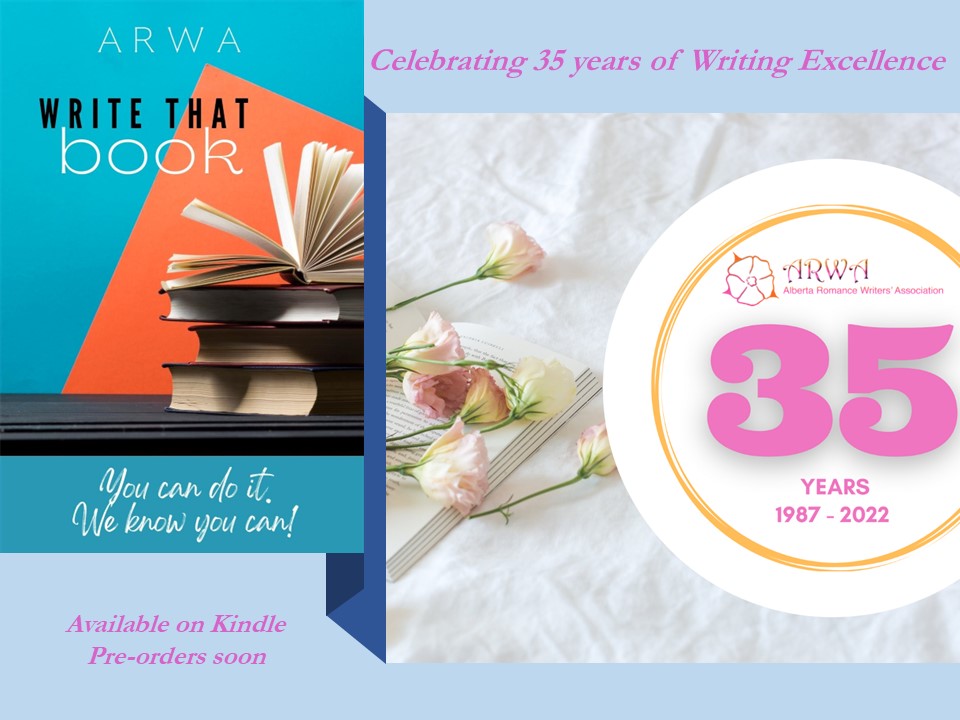
The Alberta Romance Writers’ Association has virtual meetings and is open to writers in all genres. They are also celebrating 35 years of writing excellence and launching a writers guide book called, ‘Write That Book‘.

Types of Writing Groups

Image credit: Product School via Pexels

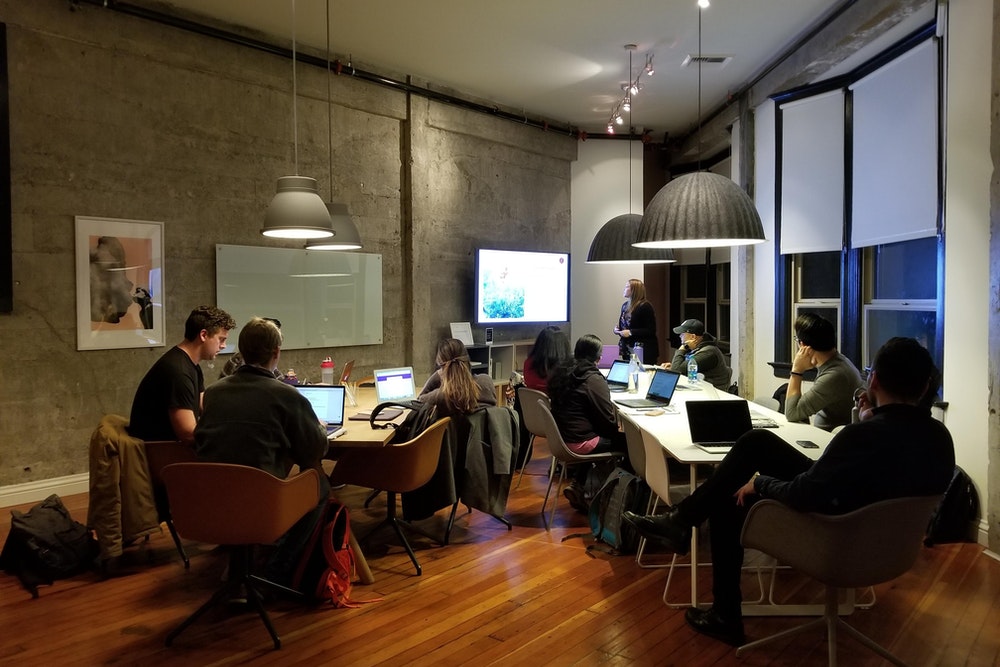
There are lots of different types of writing groups and formats. Many groups are formed based on genre—Romance, Science Fiction, Mystery etc. Some delve into the craft of writing, while others focus more on marketing and publishing. Writing group meetings may include presentations, workshops, readings, critiques, group discussions, and announcements. It’s also a great way to learn about open submissions. You’ll need to check them out to see what the local groups are doing and what works best for you.

Price

Image credit: Element5 Digital via Pexels

Many writing groups are reasonably priced. You can usually find a yearly membership for under $100CAN. Associations that require you have published works will likely have higher membership rates. As a new writer this is not what you are looking for. Find a volunteer-run group that was created to help support writers.

The First Meeting

Image credit: Pixabay via Pexels

Going to your first meeting can be intimidating. They will 100% ask you what you write. Be prepared for this question. After four years, I am still not prepared for this question when people ask. Think about your answer ahead of time. Try to keep it short and sweet, like a logline. If you ramble on, not to worry, they will understand. As writers we are sometimes a little scatterbrained.

Conferences

Benefits

  • Network with published authors, agents, and editors
  • Attend presentations and workshops
  • Opportunity to pitch to agents and editors
  • Opportunity for professional editing advice and critiques
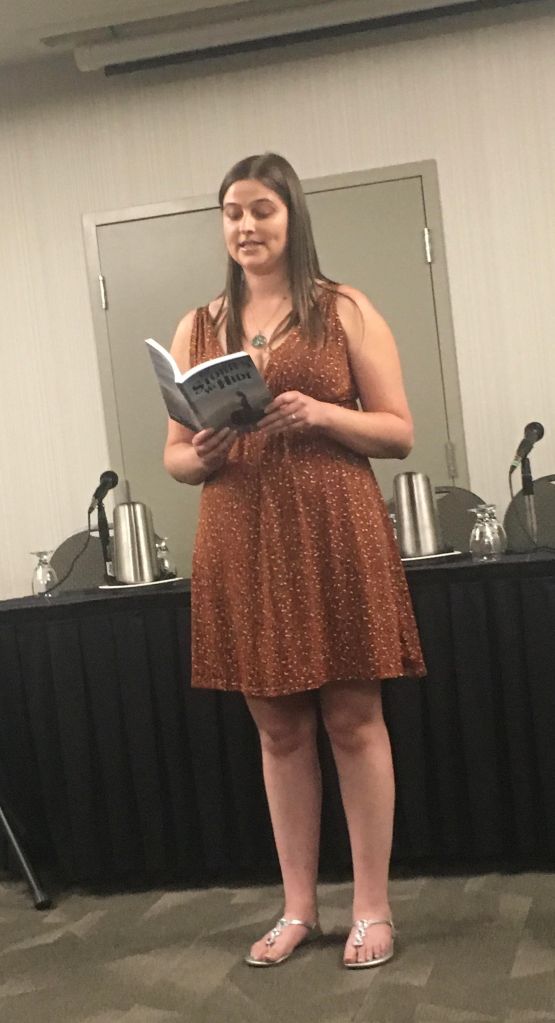
R.E. Baird, When Words Collide 2019

Being part of a writing group is the best way to stay up-to-date on the writing industry, especially locally. This is how I discovered When Words Collide—A Festival for Readers and Writers. In the picture above, I am reading my first published short story, ‘Mother Graveyard‘ in the anthology, ‘The Stories We Hide‘.

Conferences are another excellent way to network with other authors, agents, editors, and publishers. Each conference will be set-up a bit differently, but they usually all have a variety of presentations, workshops, readings, and speeches. An added benefit of conferences is that they often have pitch sessions with agents, and master classes with experienced editors. If you are interested in publishing, conferences are an excellent way to learn about your options, and maybe even meet your agent!

When Words Collide

When Words Collide has always been an affordable conference, but with the move to virtual it’s free this year. It is a conference for both readers and writers, and you can check out the program here. There may even be a small presentation from yours truly.

Get Out There and Write

If you journal, write poems, or are penning away at manuscripts that haven’t seen the light of day, maybe you are wondering where to start. Check out a local writers group and go from there. Listening to other writers can often ignite the writing flame. You never know what may inspire your writing. Get out there and explore!


Don’t forget to sign-up for When Words Collide – it’s online and FREE this year.